

The rainy season can be challenging for your everyday accessories. A sudden downpour can leave your shoulder bag wet, stained, or damaged, especially when it is made from materials that absorb water easily.
Choosing the right material for a shoulder bag during the rainy season can make a big difference. Water resistance, durability, weight, maintenance, and overall style are all important factors to consider.
Whether you need a bag for commuting, shopping, college, work, or everyday use, understanding how different materials perform in wet weather can help you make a smarter choice.


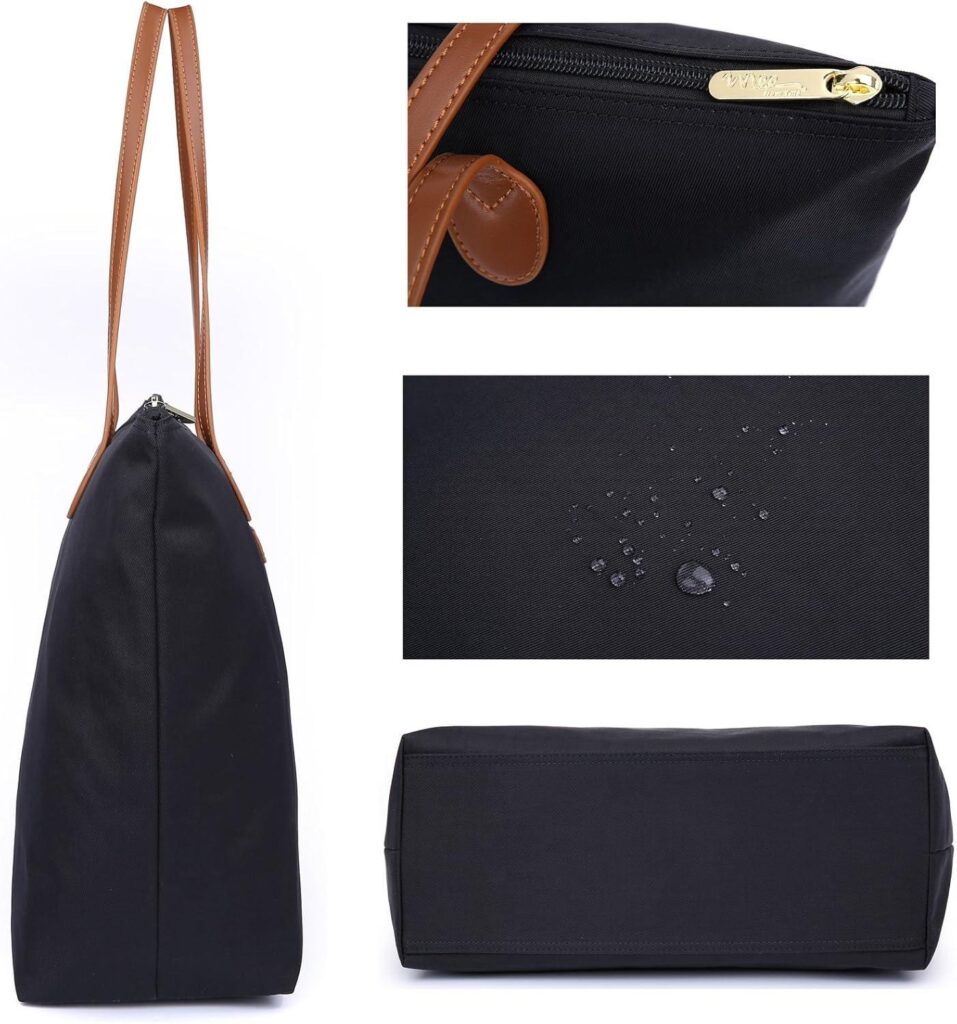
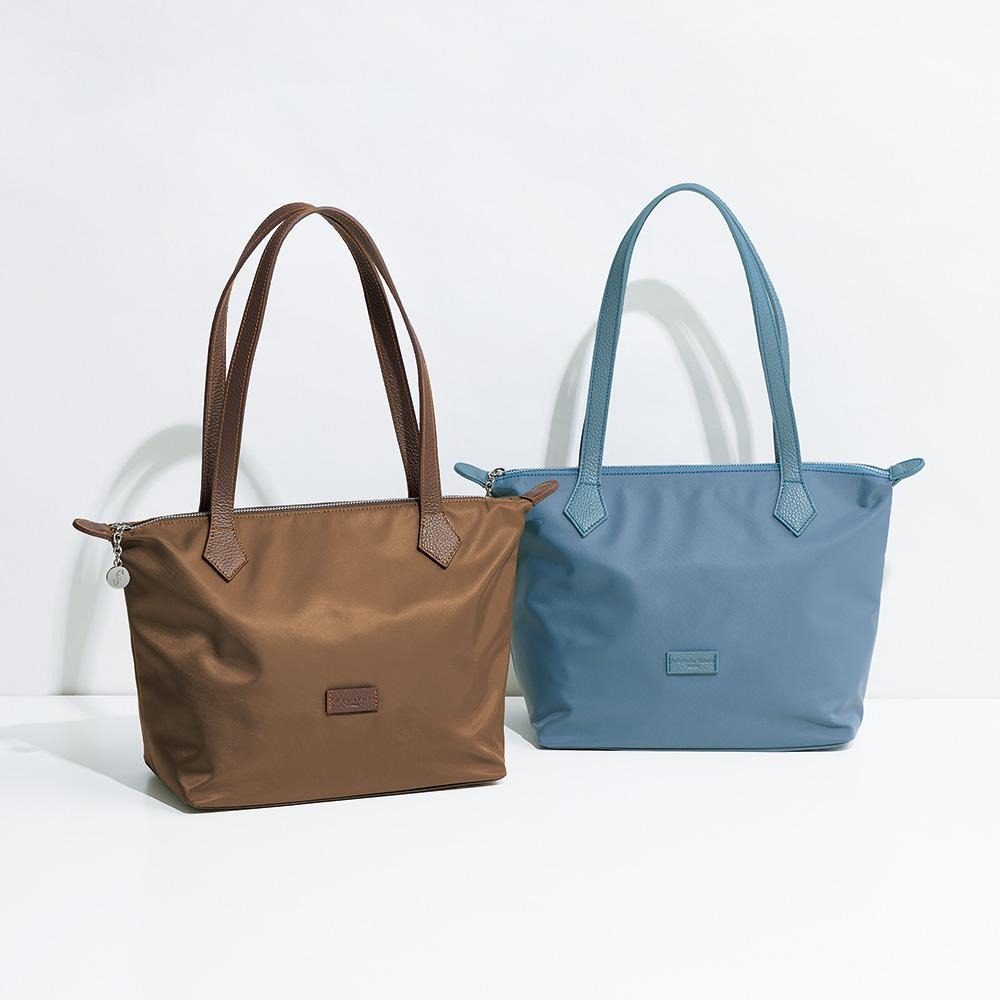

Why Does Bag Material Matter During the Rainy Season?
Rain exposes bags to more than just water. Humidity, muddy surfaces, splashes, and repeated wetting and drying can affect the bag’s appearance and durability.
A suitable rainy-season shoulder bag should ideally be:
- Water-resistant or waterproof
- Easy to clean
- Lightweight
- Durable
- Quick to dry
- Securely closed
- Comfortable to carry
- Suitable for everyday use
However, water-resistant does not always mean completely waterproof. A water-resistant material may protect against light rain and splashes, while a waterproof construction provides a higher level of protection.
1. Nylon

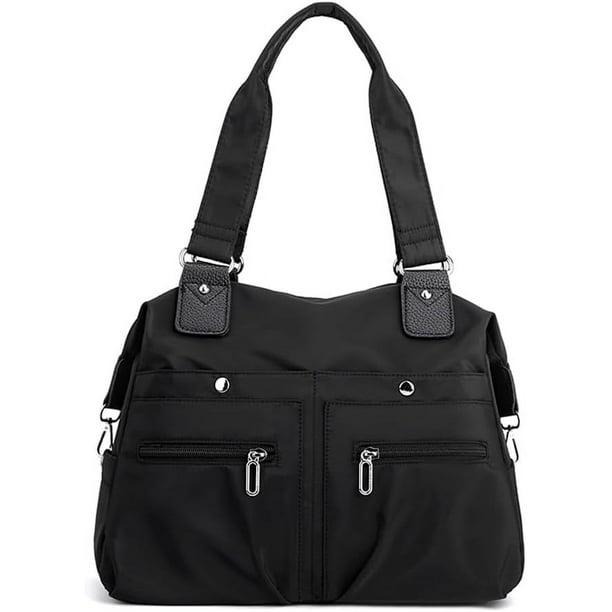


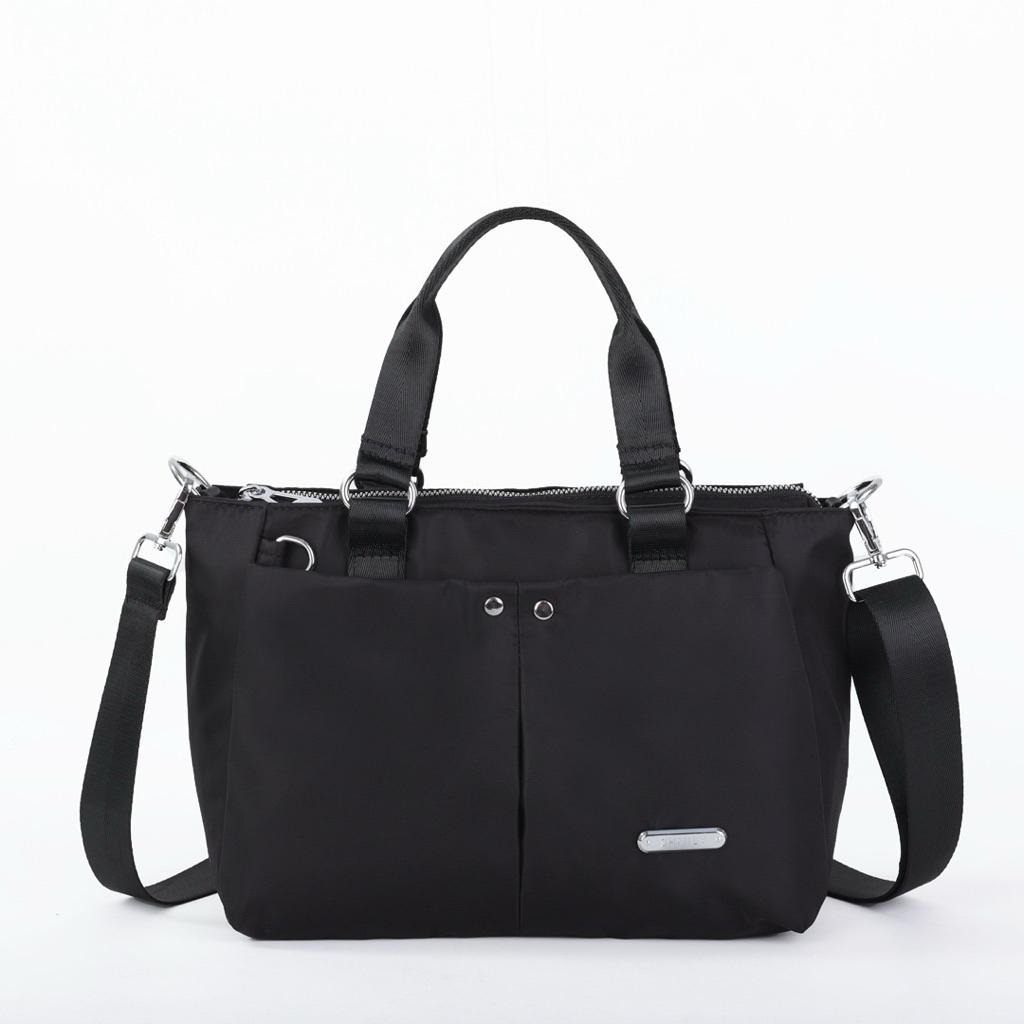
Nylon is one of the most practical materials for rainy-season shoulder bags. It is lightweight, durable, and commonly used in bags designed for everyday and outdoor use.
Many nylon bags can handle light rain and splashes, particularly when the fabric has a water-resistant coating or treatment.
Advantages of Nylon
- Lightweight
- Durable
- Easy to clean
- Suitable for everyday use
- Available in many colors
- Can be treated for water resistance
Best For
Nylon shoulder bags are suitable for:
- Daily commuting
- College
- Shopping
- Travel
- Casual outings
Tip: Look for nylon bags with coated fabric and water-resistant zippers if rain protection is a priority.
2. Coated Canvas
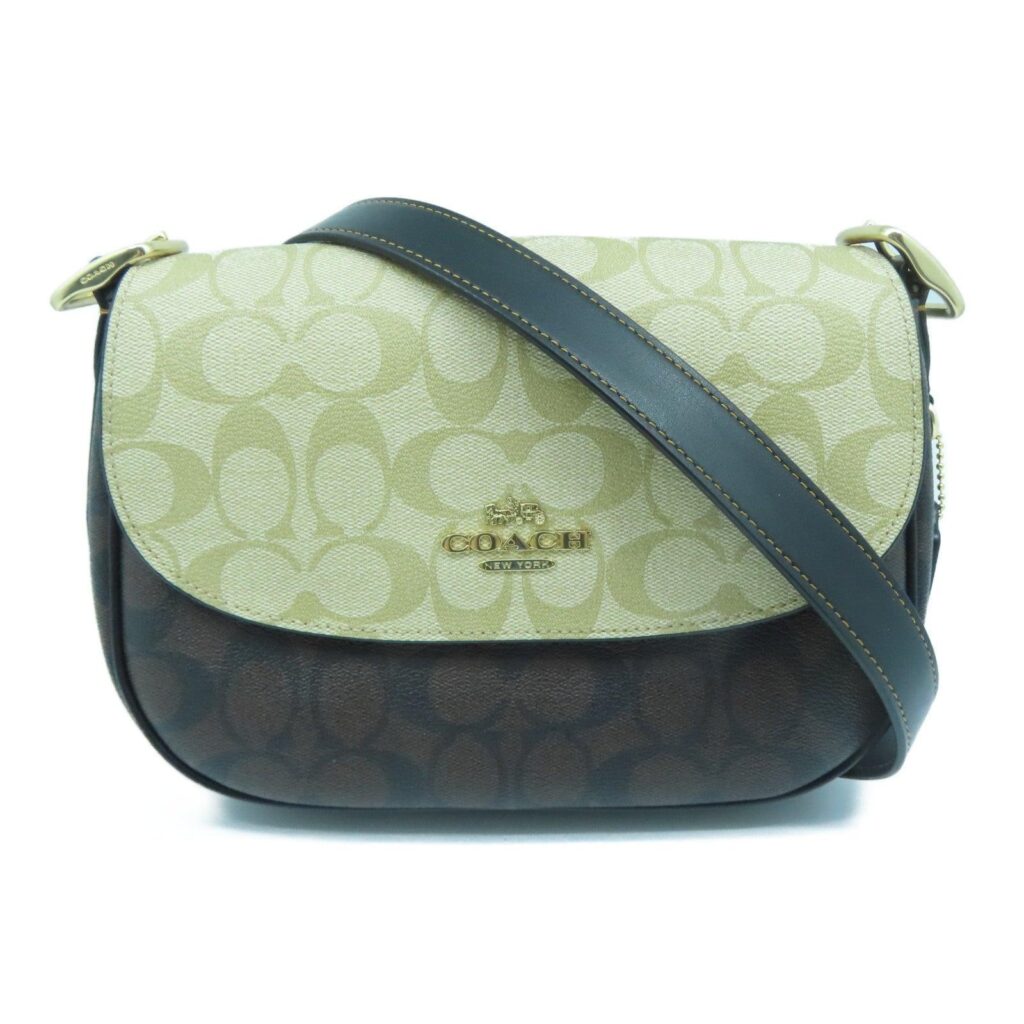
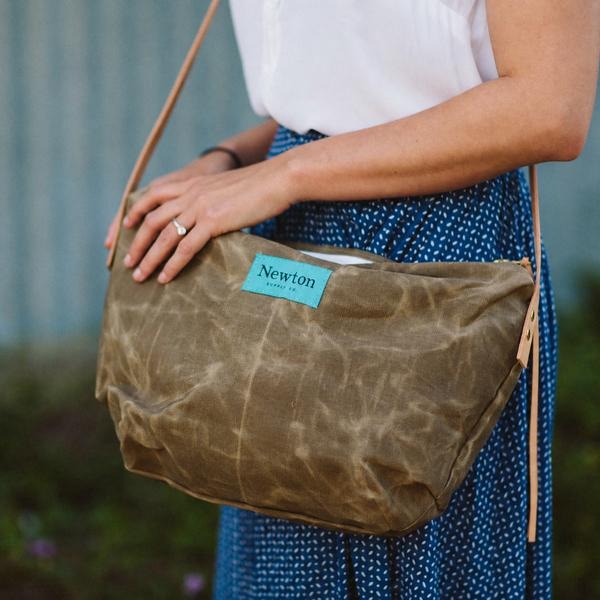

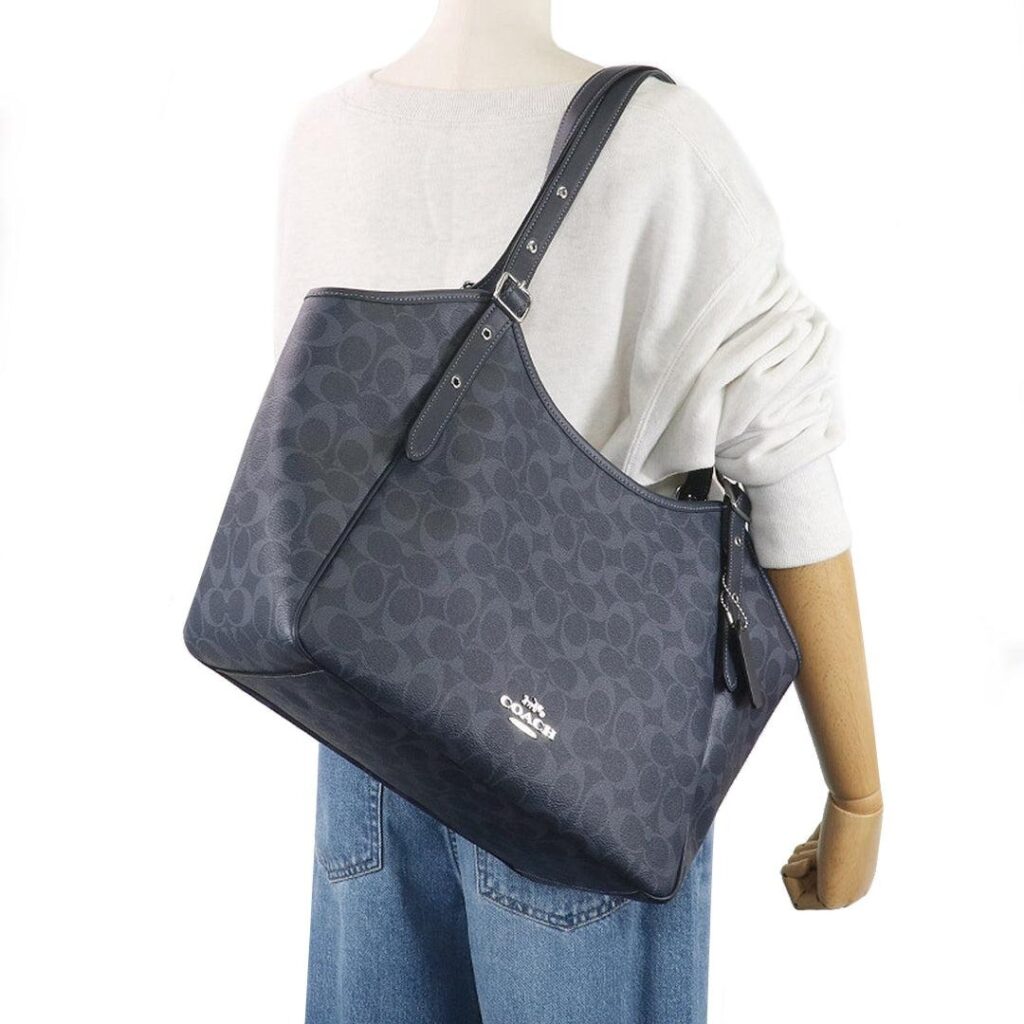
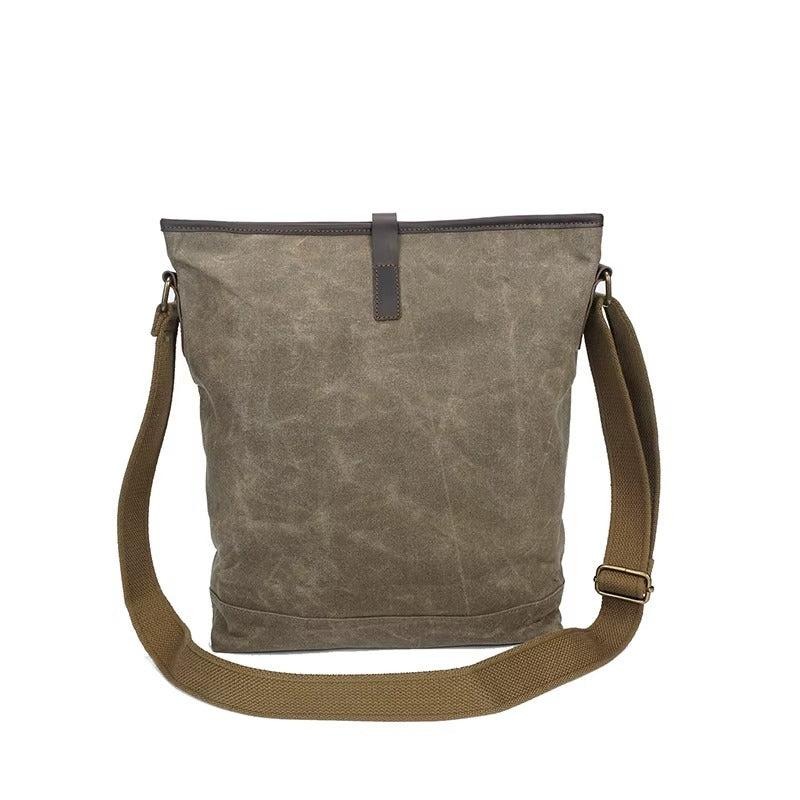
Canvas is a popular material for casual bags, but regular untreated canvas can absorb water. Coated canvas is a better option for rainy weather because the surface treatment helps reduce water penetration.
Waxed canvas is another variation that can provide improved resistance to moisture.
Advantages of Coated Canvas
- Strong and durable
- Casual appearance
- Better moisture resistance than untreated canvas
- Suitable for larger bags
- Easy to pair with everyday outfits
Best For
- Casual outings
- Shopping
- College
- Weekend trips
- Everyday use
If you love the appearance of canvas but live in a rainy climate, coated or treated canvas is generally a better choice than untreated canvas.
3. Faux Leather / PU Leather

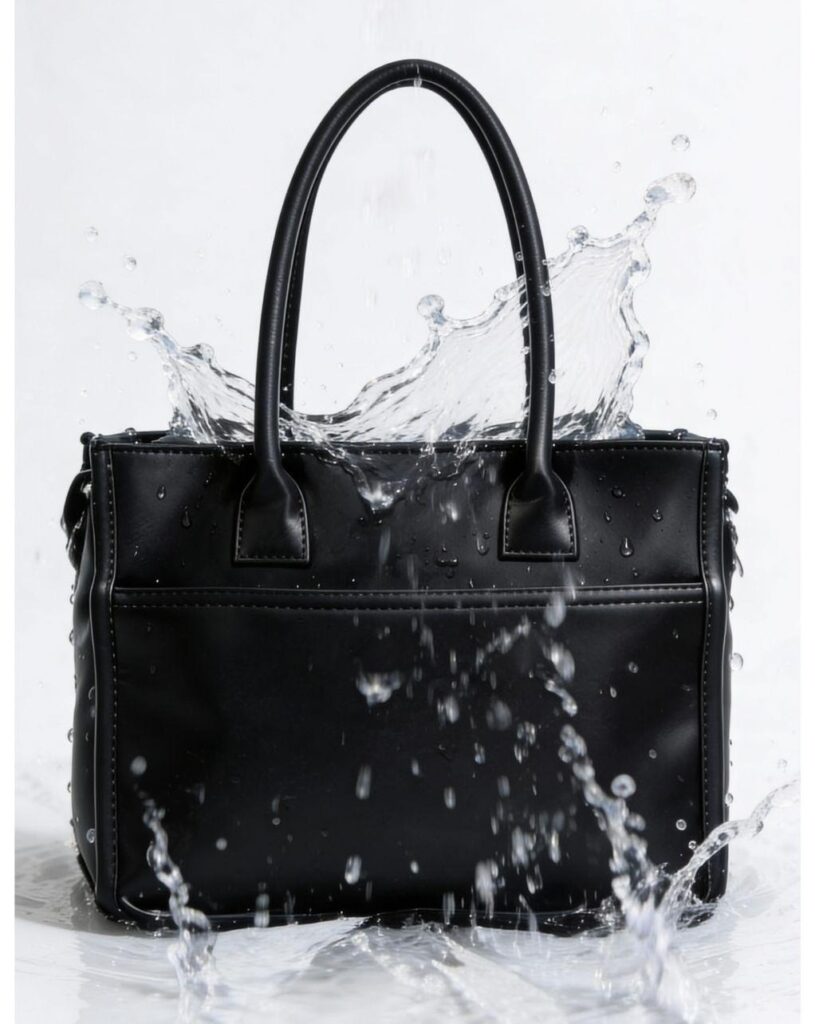
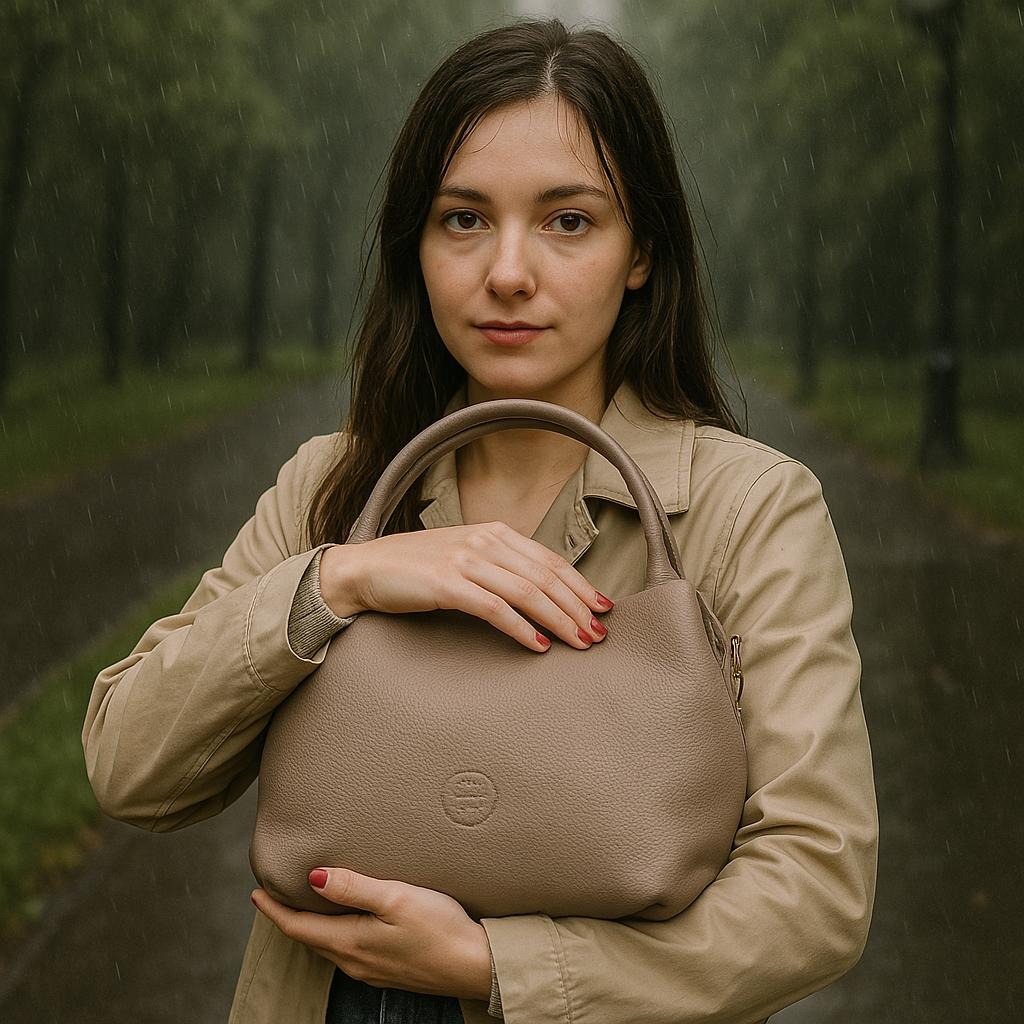
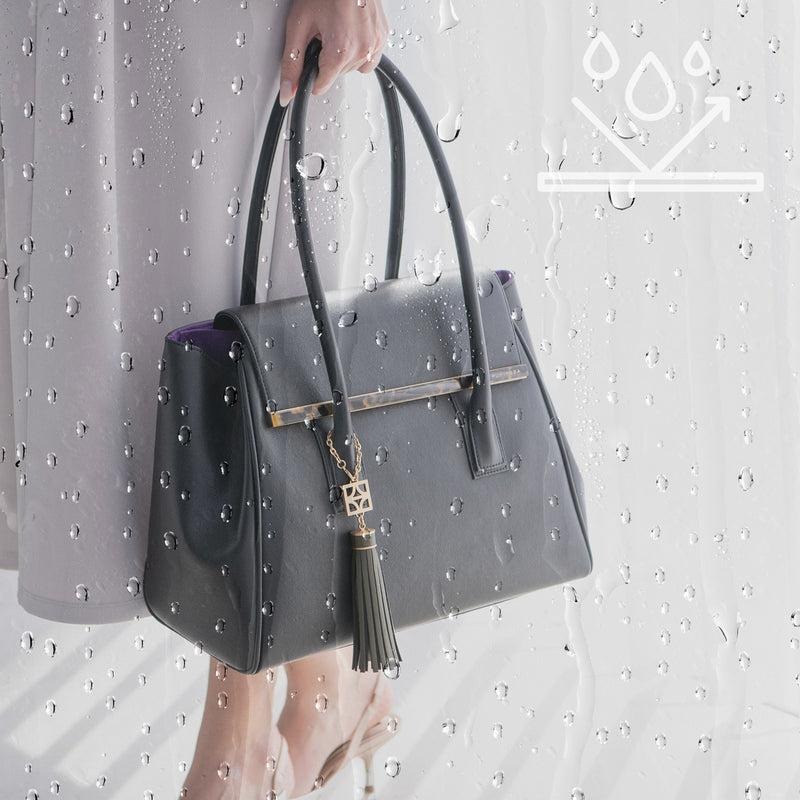
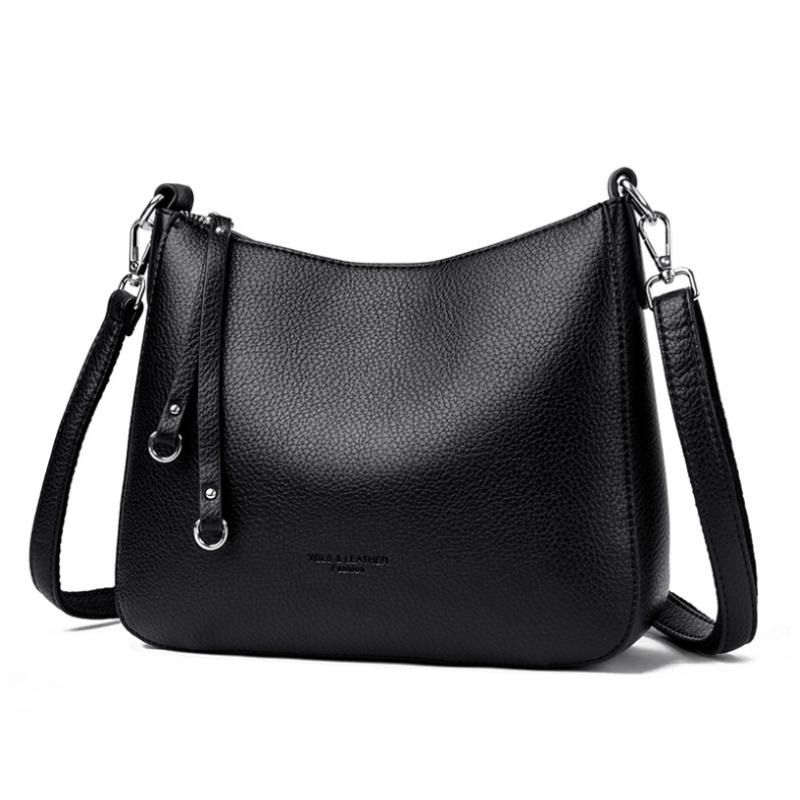
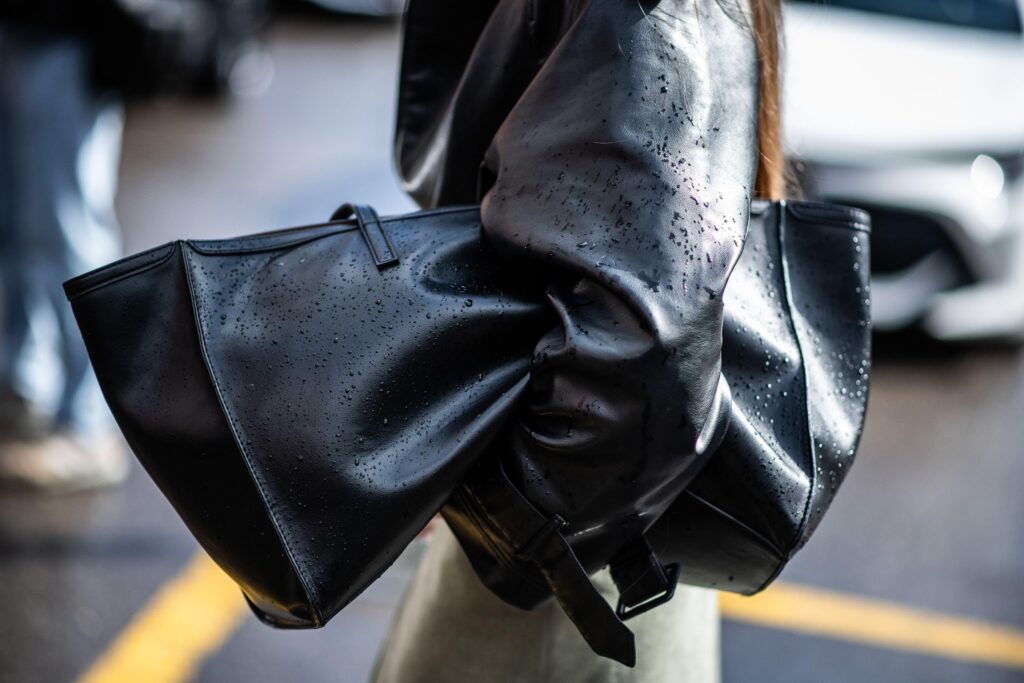
Faux leather, often made with polyurethane (PU), has a smooth surface that can be convenient during rainy weather. Water droplets generally remain on the surface rather than immediately soaking into the material.
It also provides a polished appearance, making it suitable for people who want a combination of style and practical everyday use.
Advantages
- Smooth surface
- Easy to wipe clean
- Stylish appearance
- Available in many colors
- Suitable for office and casual styles
Best For
- Office
- Shopping
- Everyday use
- Smart-casual outfits
Important Consideration
Not every faux-leather bag has the same level of water resistance. The seams, lining, zippers, and construction can affect how well the entire bag protects its contents.
4. Polyester
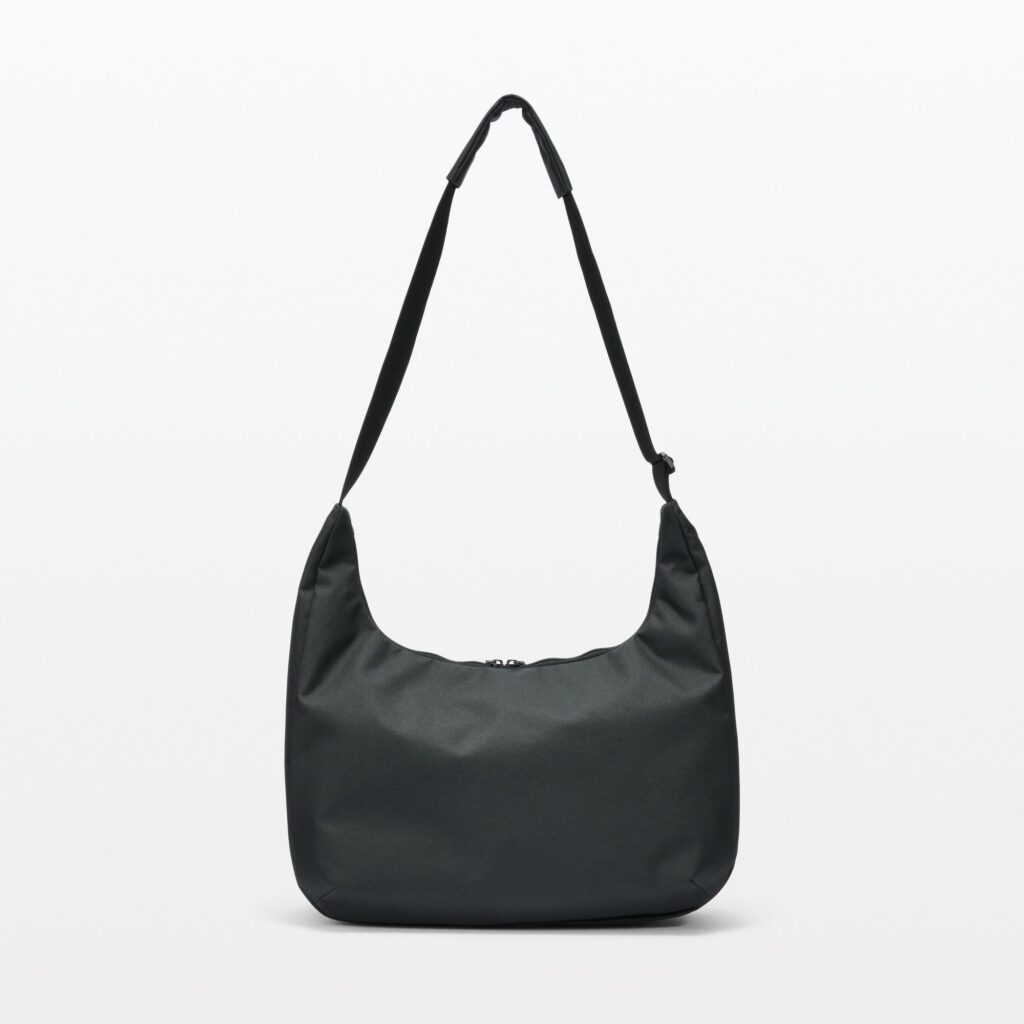
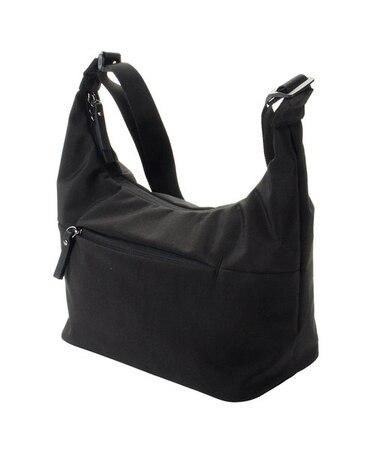


Polyester is another practical synthetic material commonly used in everyday bags.
Like nylon, polyester can be treated or coated to improve water resistance. Its durability and relatively easy maintenance make it a useful choice for rainy-season bags.
Advantages
- Lightweight
- Durable
- Easy to maintain
- Affordable
- Available in many designs
Best For
- Daily commuting
- College
- Travel
- Casual use
When choosing a polyester shoulder bag, check whether the fabric has a water-resistant coating rather than assuming that all polyester bags are waterproof.
5. Waterproof Synthetic Materials
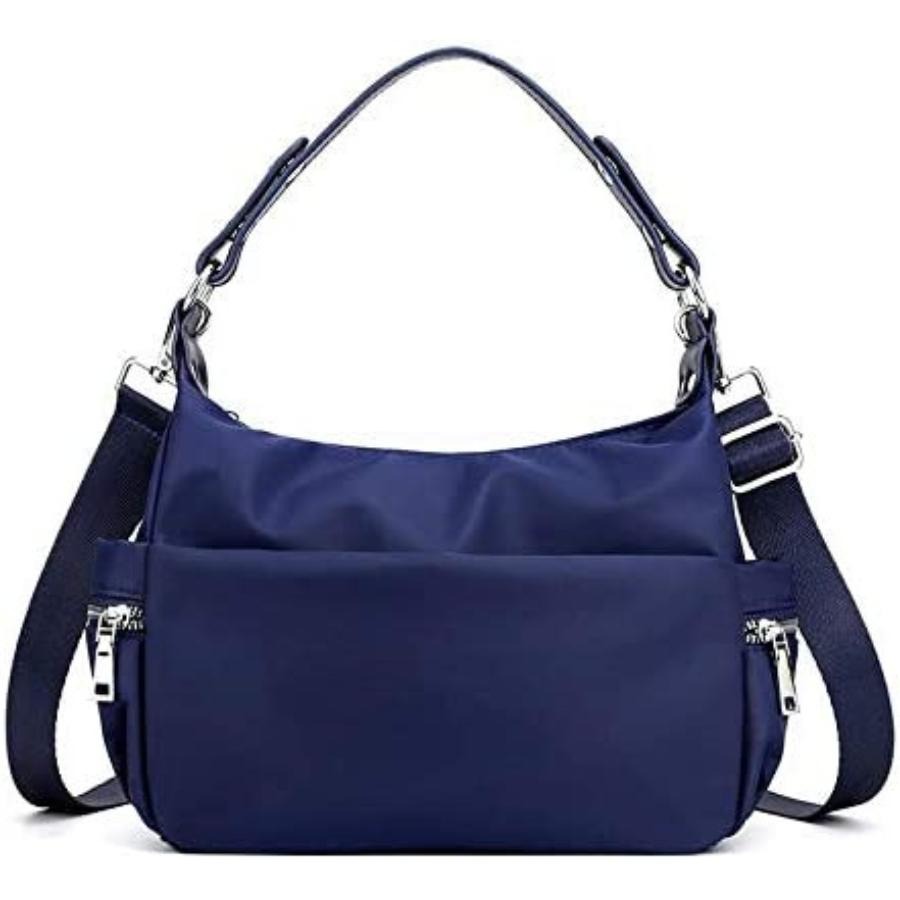
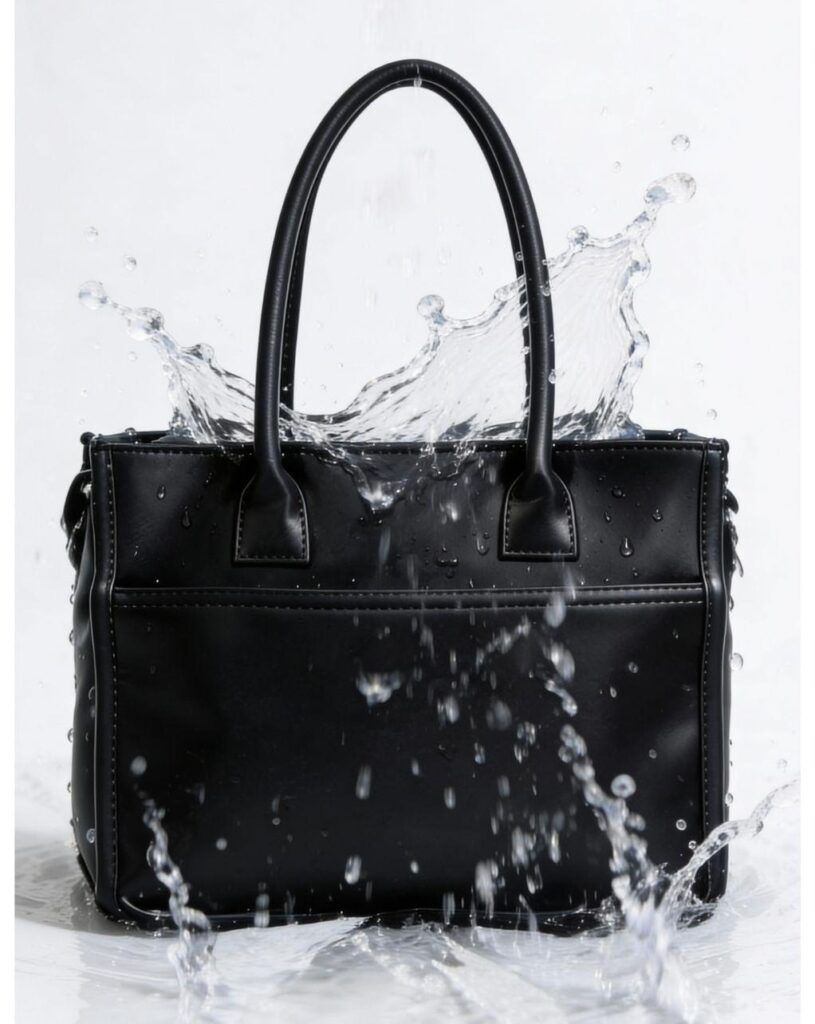


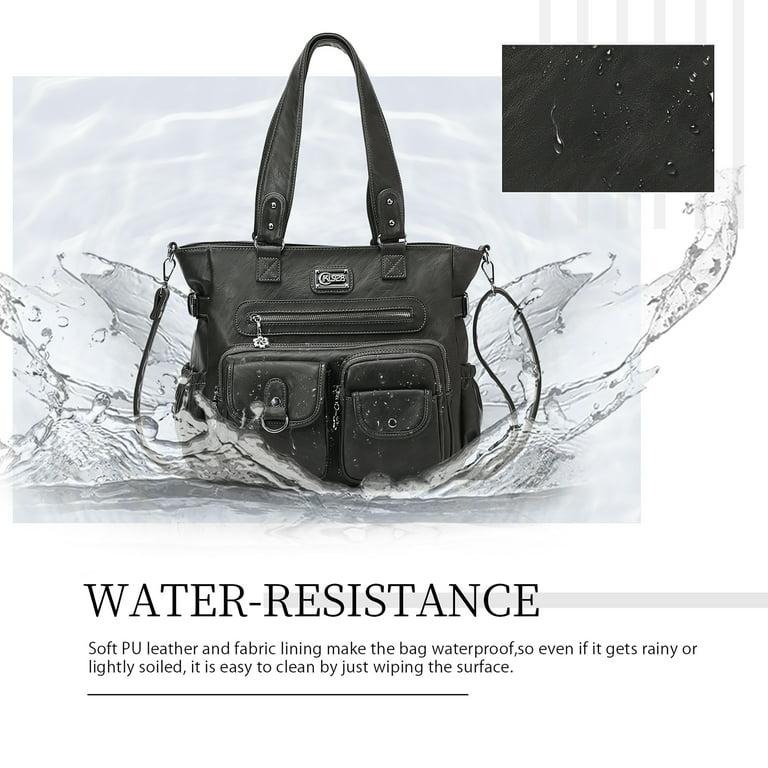

Some shoulder bags are specifically constructed using waterproof synthetic materials.
These bags can be particularly useful when you frequently experience heavy rain and need additional protection for items such as phones, documents, wallets, or electronics.
Features to Look For
- Waterproof outer material
- Sealed or reinforced seams
- Waterproof zippers
- Secure closures
- Water-resistant lining
The construction of the bag matters just as much as the material. Even a highly water-resistant fabric may allow water inside through exposed seams or poorly protected openings.
6. Silicone-Coated or Rubberized Fabrics
Silicone-coated and rubberized fabrics can provide strong protection against water. They are often used where moisture resistance is an important design requirement.
These materials can be especially useful for people who spend considerable time outdoors.
Advantages
- Excellent moisture resistance
- Easy to wipe clean
- Suitable for wet conditions
- Protective surface
Possible Drawbacks
- May feel less breathable
- Some designs can be heavier
- Limited availability compared with common bag materials
For everyday fashion, these materials may be less common than nylon, polyester, or faux leather.
7. Genuine Leather: Is It Good for Rain?
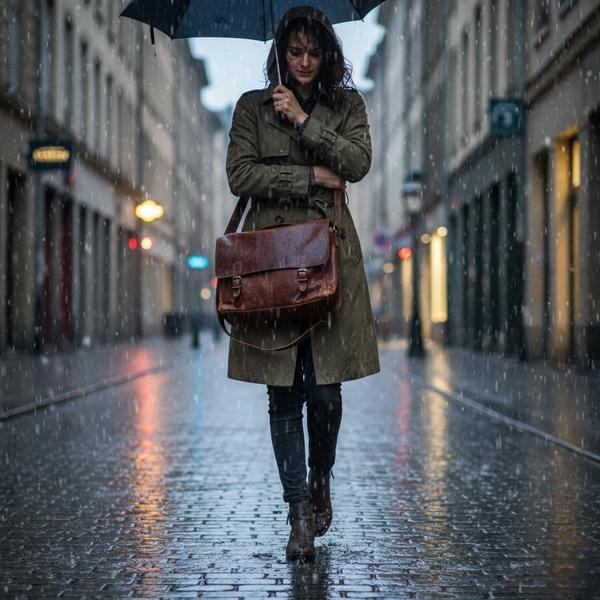
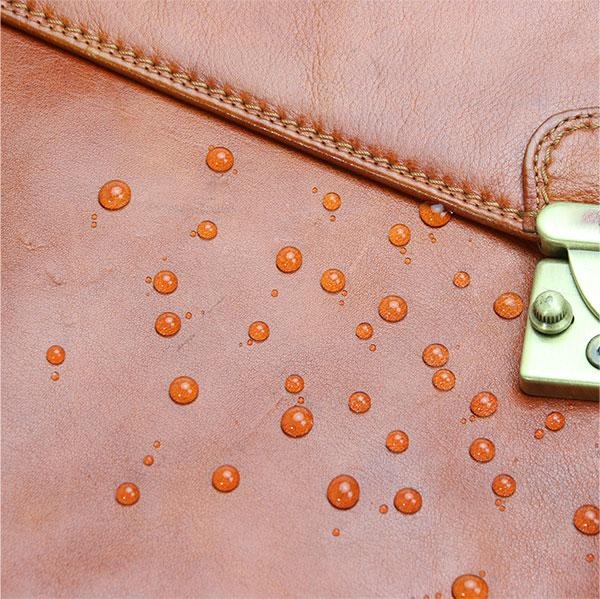
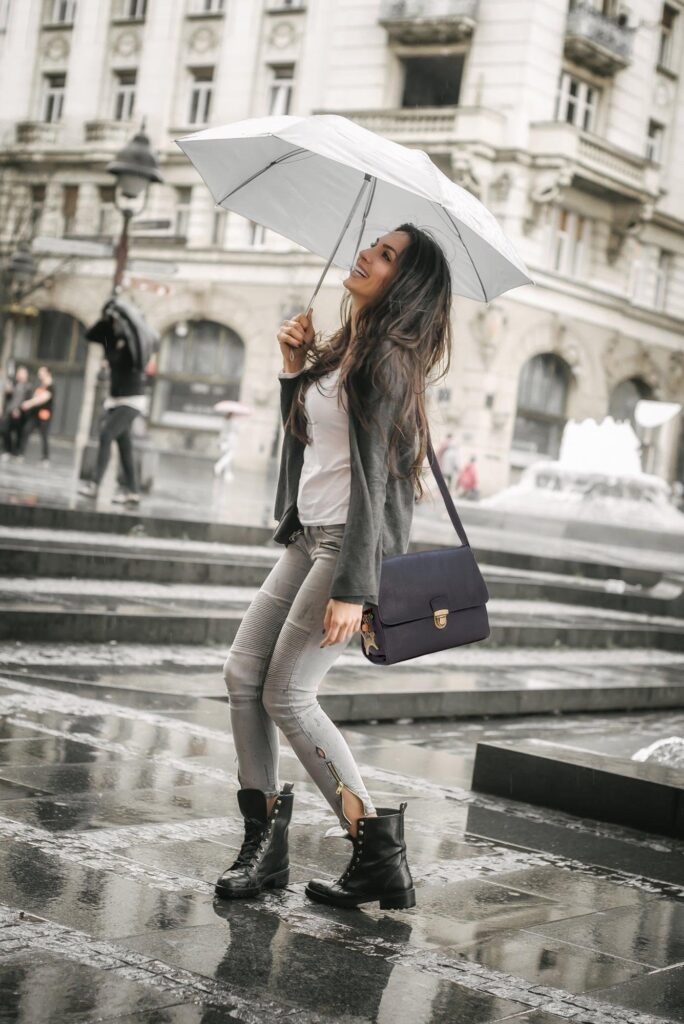
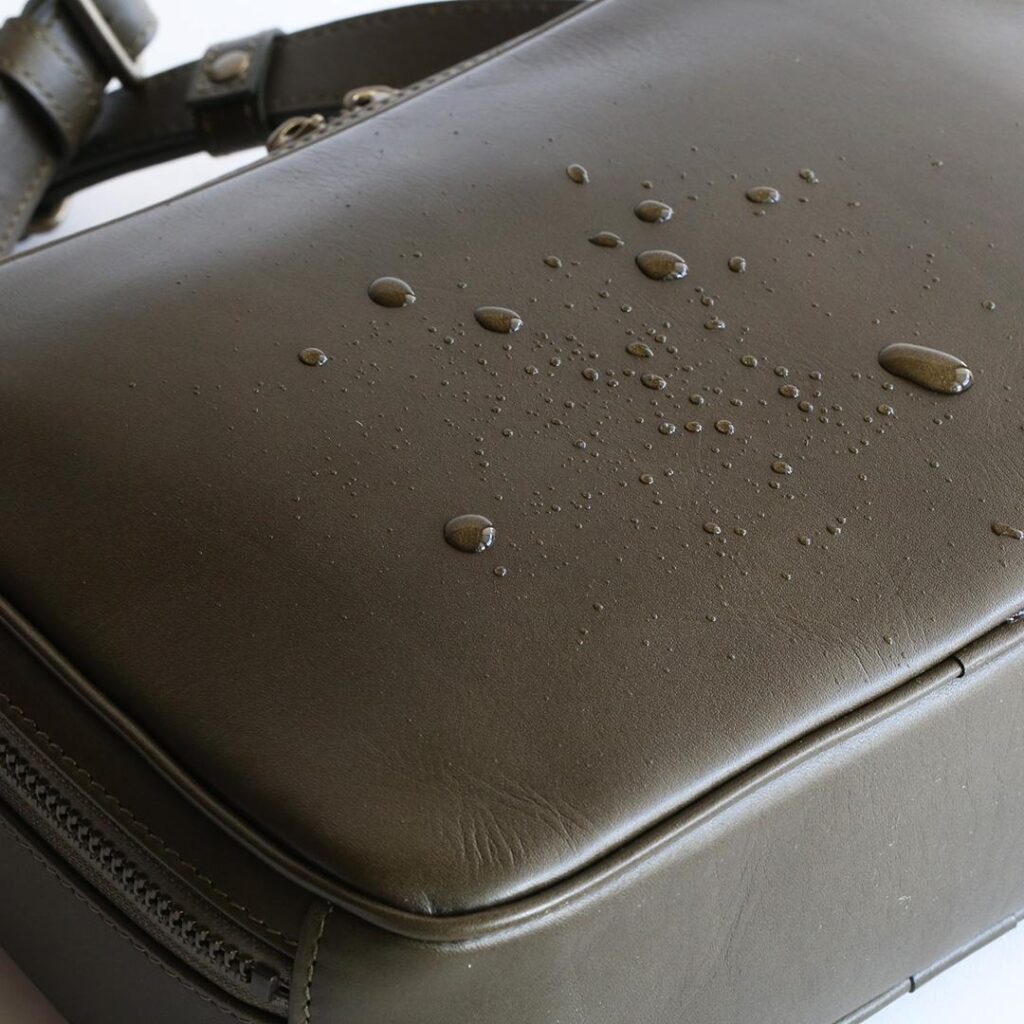
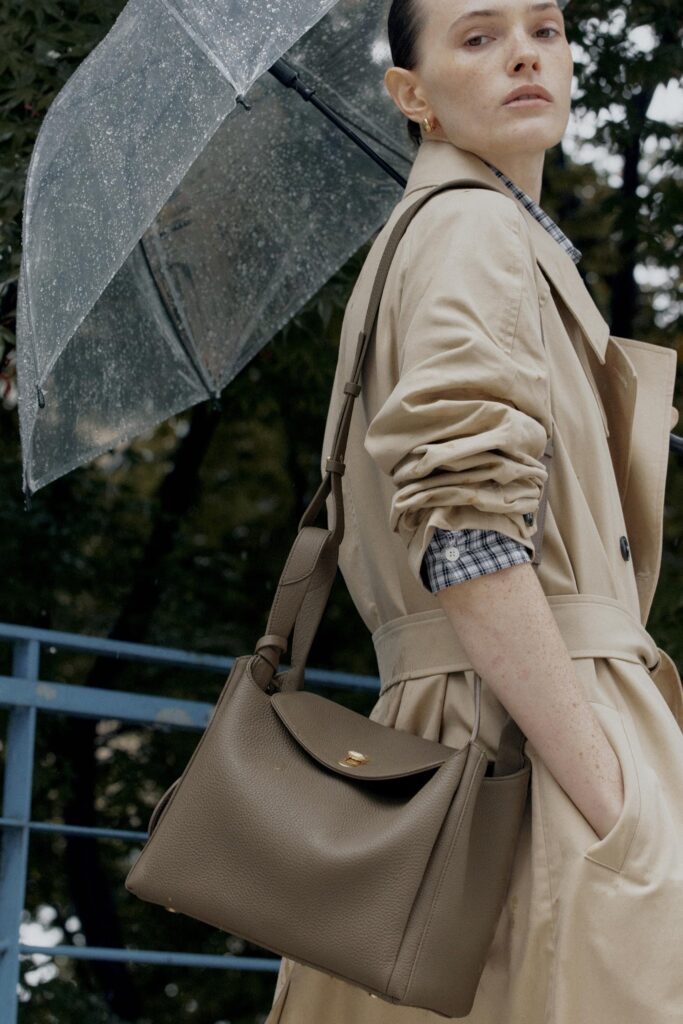

Genuine leather can be durable and stylish, but ordinary leather should not automatically be considered rainproof.
Some leather products have protective finishes or treatments that improve resistance to moisture. However, prolonged exposure to rain can still affect leather’s appearance and condition.
If You Carry a Leather Shoulder Bag in Rain
- Avoid unnecessary prolonged exposure to water.
- Wipe off water promptly.
- Allow the bag to dry naturally.
- Avoid placing wet leather near direct heat.
- Follow the manufacturer’s care instructions.
- Consider an appropriate leather protector if recommended for that particular leather.
Leather can be an excellent material, but if your main priority is rain protection, purpose-built water-resistant synthetic materials may be more practical.
Materials Compared for Rainy Weather
| Material | Water Resistance | Weight | Maintenance | Best Use |
| Nylon | ⭐⭐⭐⭐ | Lightweight | Easy | Daily use & travel |
| Coated Canvas | ⭐⭐⭐⭐ | Medium | Easy | Casual use |
| PU/Faux Leather | ⭐⭐⭐⭐ | Medium | Easy | Office & everyday |
| Polyester | ⭐⭐⭐⭐ | Lightweight | Easy | Commuting & college |
| Waterproof Synthetic | ⭐⭐⭐⭐⭐ | Varies | Easy | Heavy rain & travel |
| Silicone/Rubberized | ⭐⭐⭐⭐⭐ | Medium | Very easy | Wet conditions |
| Genuine Leather | ⭐⭐–⭐⭐⭐ | Medium | Higher | Style & office |
Water-Resistant vs Waterproof: What’s the Difference?
This is an important distinction when buying a rainy-season shoulder bag.
Water-Resistant
A water-resistant bag can generally handle:
- Light rain
- Small splashes
- Short exposure to moisture
It is suitable for everyday situations where you might encounter occasional rain.
Waterproof
A waterproof bag is designed to provide a much higher level of protection against water.
It may include:
- Waterproof fabric
- Coated surfaces
- Sealed seams
- Water-resistant or waterproof zippers
- Protective closures
If you regularly travel during heavy monsoon rain, look beyond the material name and check the overall construction of the bag.
What Other Features Should You Look For?
Choosing the right material is only one part of selecting a rainy-season shoulder bag.
1. Waterproof or Covered Zippers
Water can enter through exposed zippers even when the main fabric is water-resistant.
A covered or water-resistant zipper can provide additional protection.
2. Secure Closure
A zip, flap, drawstring, or other secure closure can help prevent rain from entering through the top of the bag.
3. Water-Resistant Lining
An internal water-resistant lining provides an additional layer of protection for your belongings.
4. Strong Seams
Poorly finished seams can become weak points where water enters. Look for quality stitching and reinforced construction.
5. Adjustable Shoulder Strap
An adjustable strap lets you position the bag comfortably, particularly when wearing raincoats or layered clothing.
6. Lightweight Construction
Rainy commutes can already be uncomfortable. A lightweight shoulder bag is easier to carry throughout the day.
Which Shoulder Bag Styles Are Best for the Rainy Season?
Different materials work better with different bag designs.


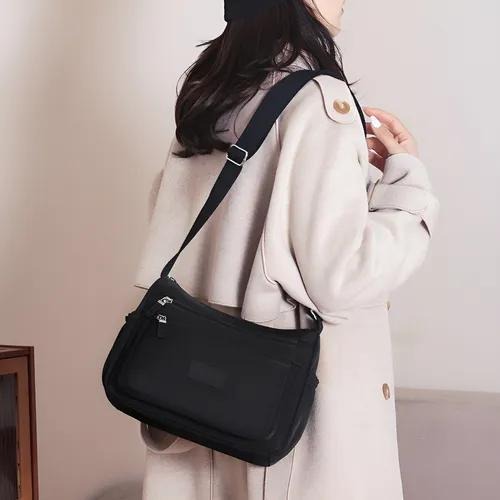
Crossbody Bags
A compact crossbody bag keeps essentials close to the body and leaves your hands free for umbrellas or other items.
Structured Shoulder Bags
A structured design with a secure zip closure can provide good protection while maintaining a polished appearance.
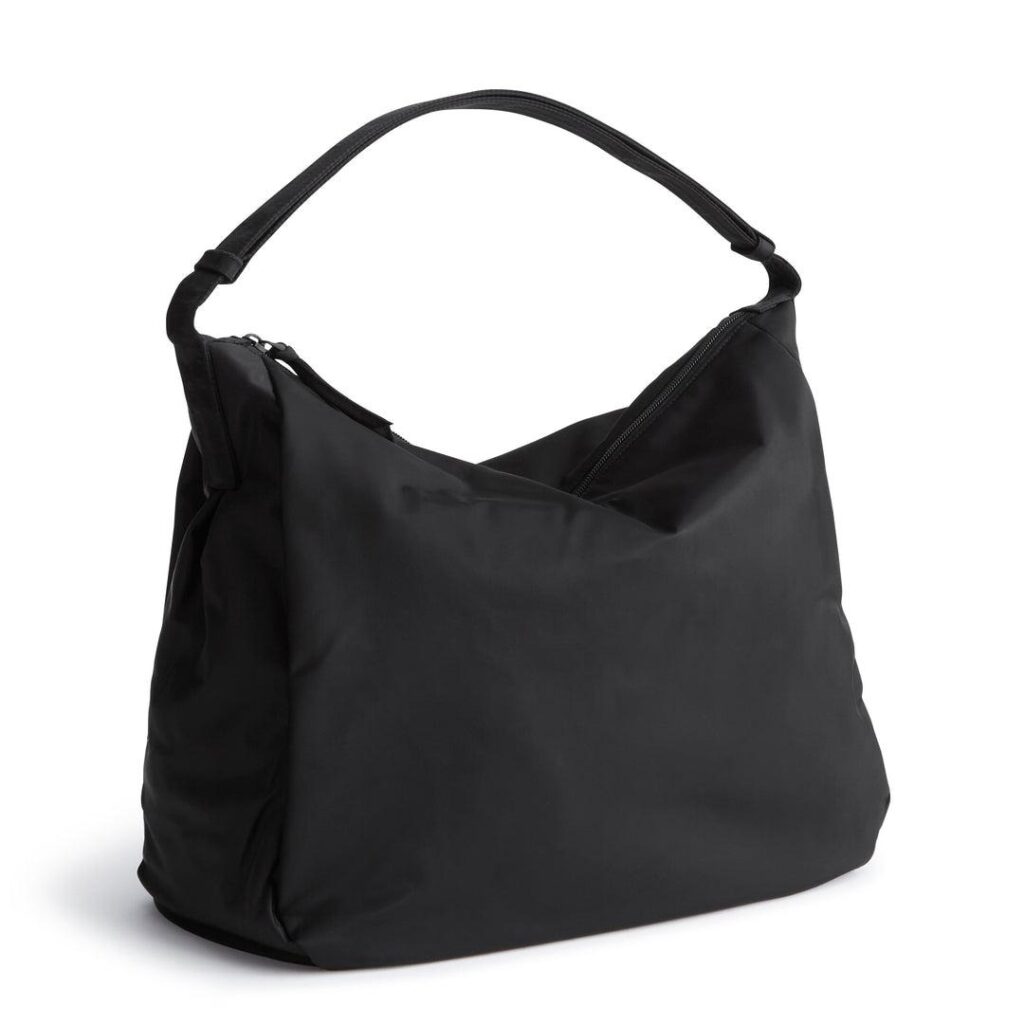
Hobo Bags
A water-resistant hobo bag can be a good casual option when you need more space.
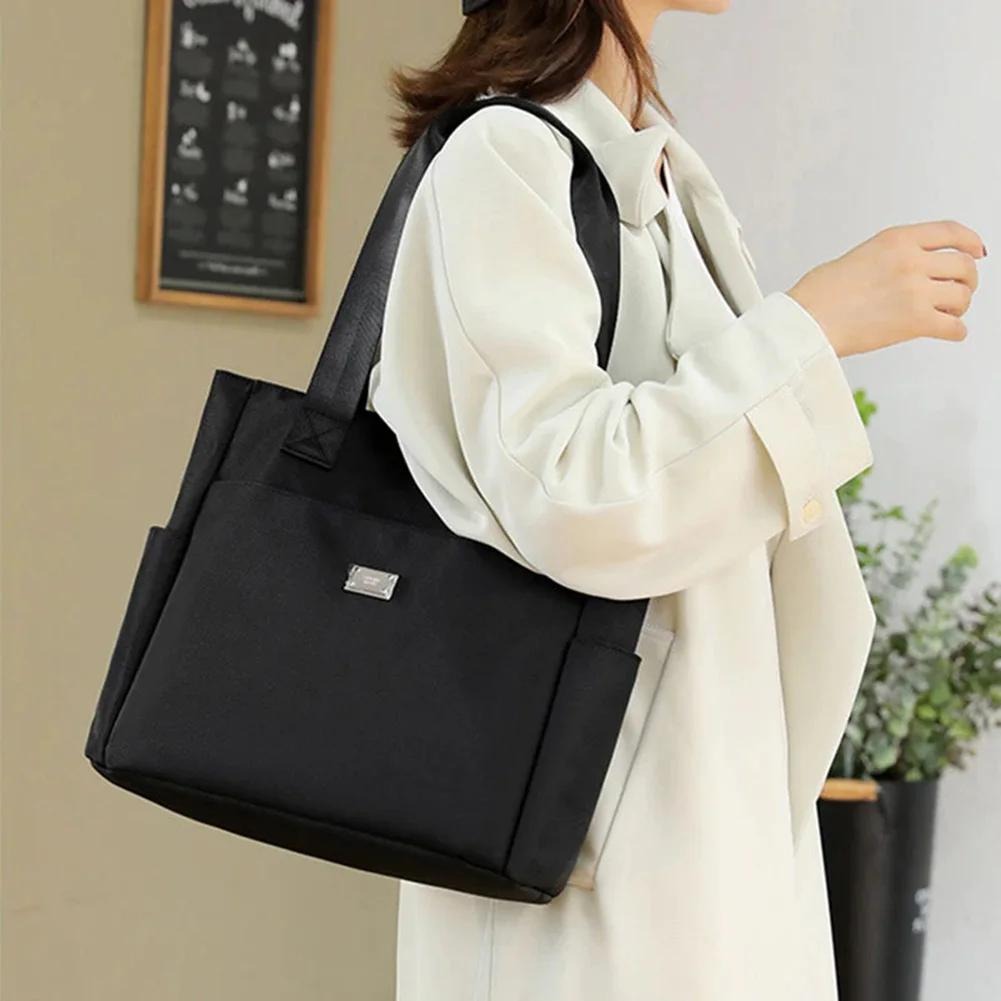
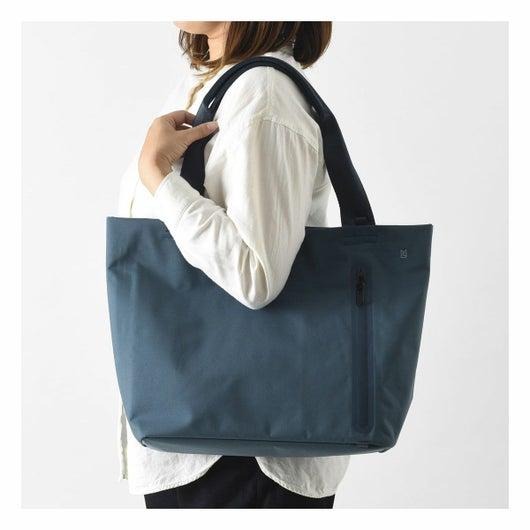
Tote Bags
A coated or water-resistant tote can work well for commuting when you need to carry more items.
Compact Flap Bags
A flap design provides an additional layer over the opening and can be suitable for light rain.
Best Materials Based on Your Lifestyle
| Lifestyle | Recommended Material | Suitable Bag |
| Office commuter | PU/Faux leather | Structured shoulder bag |
| College student | Nylon/Polyester | Crossbody or shoulder bag |
| Frequent traveler | Nylon/Waterproof synthetic | Crossbody |
| Casual user | Coated canvas | Hobo or tote |
| Heavy-rain commuter | Waterproof synthetic | Secure shoulder/crossbody |
| Fashion-focused user | PU/Faux leather | Flap or baguette |
| Outdoor use | Nylon/Rubberized fabric | Crossbody |
How to Protect Your Shoulder Bag During the Monsoon
Even a water-resistant bag needs proper care.
Keep these habits in mind:
Wipe it after exposure to rain:
Remove surface moisture as soon as possible.
Do not use direct heat:
Avoid using a hair dryer or placing a wet bag directly beside a heater. Excessive heat can damage some materials.
Keep the interior dry:
Remove wet items and allow the bag to air out.
Clean muddy marks quickly:
Dirt and moisture can create stubborn stains if left untreated.
Store it properly:
Keep your bag in a dry, ventilated place when you are not using it.
Follow care instructions:
Different materials require different cleaning and maintenance methods.
Common Mistakes to Avoid
❌ Assuming every synthetic bag is waterproof
Synthetic materials can have different levels of water resistance.
❌ Ignoring the zipper
A water-resistant fabric cannot fully protect your belongings if water enters through the opening.
❌ Leaving a wet bag in direct sunlight
High heat can affect certain synthetic materials, coatings, adhesives, and leather.
❌ Choosing style over functionality
A beautiful bag may not be practical during heavy rain if it has an open top or absorbent material.
❌ Overloading the bag
Excess weight can place additional stress on straps, seams, and closures.
Conclusion
The rainy season doesn’t mean you have to sacrifice style for practicality. The right shoulder bag material can help protect your everyday essentials while keeping your outfit fashionable.
Nylon and polyester are excellent lightweight options for everyday use, while coated canvas offers a casual and durable alternative. PU or faux leather works well when you want a polished look, while purpose-built waterproof synthetic materials are better suited to demanding wet conditions.
Ultimately, don’t choose a rainy-season shoulder bag based on material alone. Consider the fabric treatment, seams, zipper, closure, lining, size, strap, and overall construction. A well-designed water-resistant shoulder bag can make rainy-day commuting much easier while keeping your everyday style intact.